Understanding eye health
Retinal laser treatment

Written by Dr. Tom Liba
Retinal laser treats selected tears or abnormal vessels; it differs from refractive laser surgery.

The key points
Briefly
Retinal laser treatment strengthens weak areas or addresses abnormal blood vessels.
The procedure is performed in clinic, usually after pupil dilation and local anesthesia.
Recovery is generally quick, but driving and sometimes strenuous activity should be avoided.
In detail
What is Retinal Laser Treatment?
Retinal laser treatment is a medical procedure that uses focused light beams to create microscopic burns in specific areas of the retina. The goal of this treatment is to prevent or slow the progression of various retinal diseases. It is important to note that this treatment differs significantly from refractive laser surgeries for vision correction, both in its technique and its medical objectives.
When is Laser Treatment Considered?
Retinal laser is used for different purposes according to the diagnosis. Around a retinal tear, laser creates an adhesive scar that seals the surrounding retina to the tissue underneath and helps prevent detachment; it does not generally reattach an already detached retina.
In proliferative diabetic retinopathy and selected vein occlusions with abnormal new vessels, laser treatment to areas of peripheral retina reduces the signals driving those vessels to grow. It does not redirect blood vessels. Focal laser may be used for selected areas of leakage, but injections are often the main treatment for macular swelling. The type and extent of laser are tailored to the findings.
Preparing for the Procedure
Before the treatment, you will receive eye drops to dilate your pupils, which may cause blurred vision and light sensitivity for several hours. Additionally, local anesthetic drops will be administered to minimize discomfort during the procedure. It is advisable to arrange for someone to drive you home, as you will not be able to drive immediately after the treatment due to blurred vision. No other special preparations are typically required.
How the Procedure is Performed
The treatment is performed in an outpatient clinic setting. You will sit in front of a laser machine connected to a slit lamp, similar to a routine eye examination. The doctor will place a special contact lens on the treated eye, which allows for magnified viewing of the retina and precise targeting of the laser beams. The laser beams selectively heat the designated areas of the retina, creating small burns. The procedure itself usually lasts several minutes.
Sensations During and After Treatment
During retinal laser, discomfort varies with the area and amount of treatment. Some people feel mild stinging, while others experience more pronounced aching or sharp sensations. Tell the team if the pain is difficult to tolerate. Glare and blurred vision are common immediately afterward and may last into the following day.
Do not drive yourself home or drive on the day of treatment. Resume driving only when vision is safe and any instructions from the treating team allow it. Restrictions on exercise or other activities depend on the retinal condition and the treatment performed; follow the plan given for your eye rather than a fixed schedule.
Potential Risks and Outcomes
Retinal laser treatment is generally considered safe, but like any medical procedure, potential risks exist. These include temporary discomfort, mild inflammation, or blurred vision. More extensive laser treatments, especially those covering a large area of the peripheral retina, may partially affect peripheral vision or night vision. The effectiveness of the treatment varies depending on the medical condition, and sometimes complementary treatments, such as intraocular injections, may be required.
Follow Up and When to Seek Care
Follow up after laser treatment is determined individually by your treating physician, based on your medical condition and response to treatment. Sometimes, multiple treatment sessions or periodic follow up examinations are necessary. It is important to remember that laser treatment does not eliminate all future risks of developing retinal diseases. If you experience new symptoms such as a dark curtain covering part of your vision, a sudden increase in many floaters, flashes of light, or a significant decrease in vision, you should seek urgent medical evaluation.
More information for you

Eye conditions
Retinal detachment: symptoms and treatment
Retinal detachment separates the retina from supporting tissue.
Read more
Eye conditions
Diabetic retinopathy: stages and treatment
Diabetes can damage retinal vessels, causing leakage, swelling and abnormal new vessels.
Read more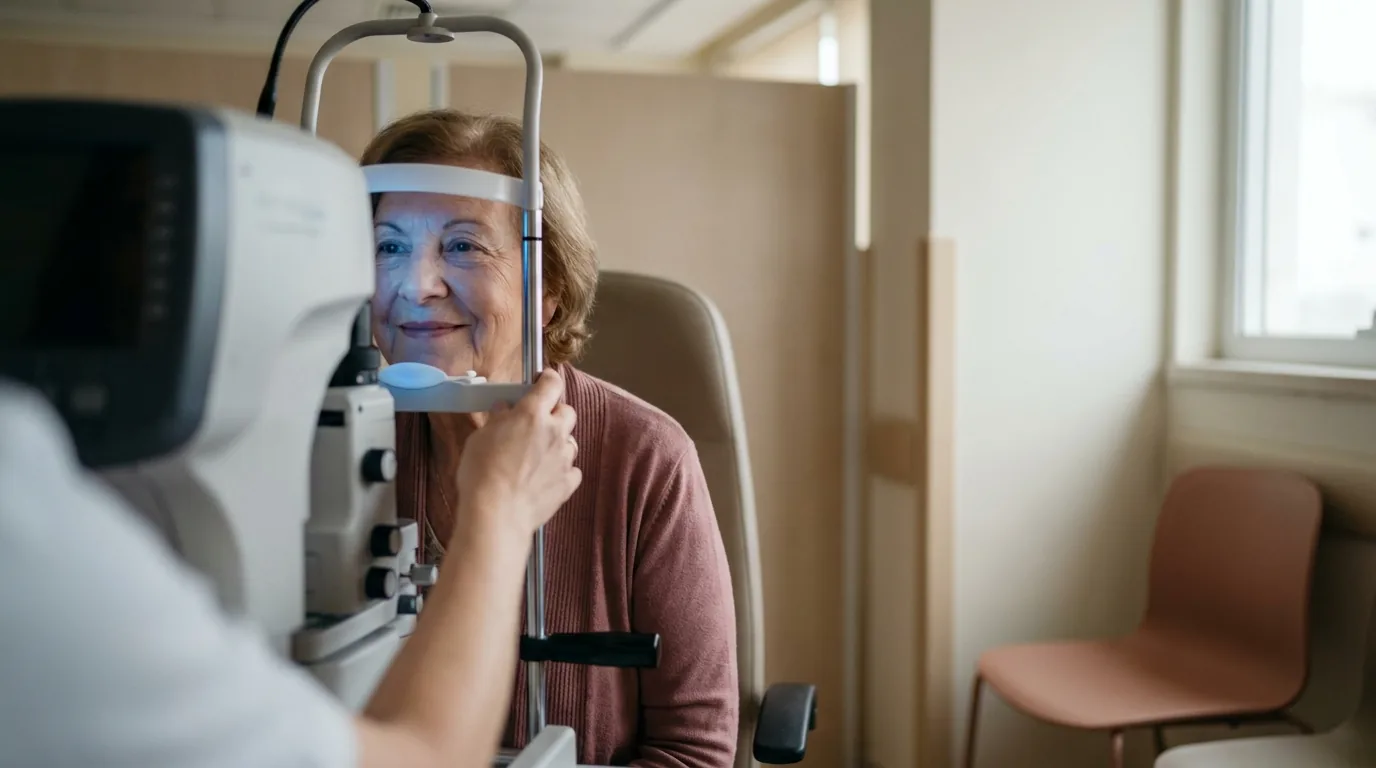
Treatments and surgery
Laser eye treatments: medical uses
Laser can be used for several retinal, glaucoma and lens related conditions.
Read moreTom Liba, M.D.
Contact
For questions and further information, you can contact me by email.
tomliba1996@gmail.com