Understanding eye health
Laser eye treatments: medical uses

Written by Dr. Tom Liba
Laser can be used for several retinal, glaucoma and lens related conditions.
The key points
Briefly
Laser technology is used to treat various eye conditions, including retinal diseases, glaucoma, and posterior capsule opacification after cataract surgery.
Many laser procedures are performed in an outpatient clinic, typically with topical anesthetic drops, and are brief with a quick return to daily activities.
The specific type of laser, preparation, recovery, and risks vary depending on the condition and the treatment performed.
In detail
What is Laser Treatment for the Eyes?
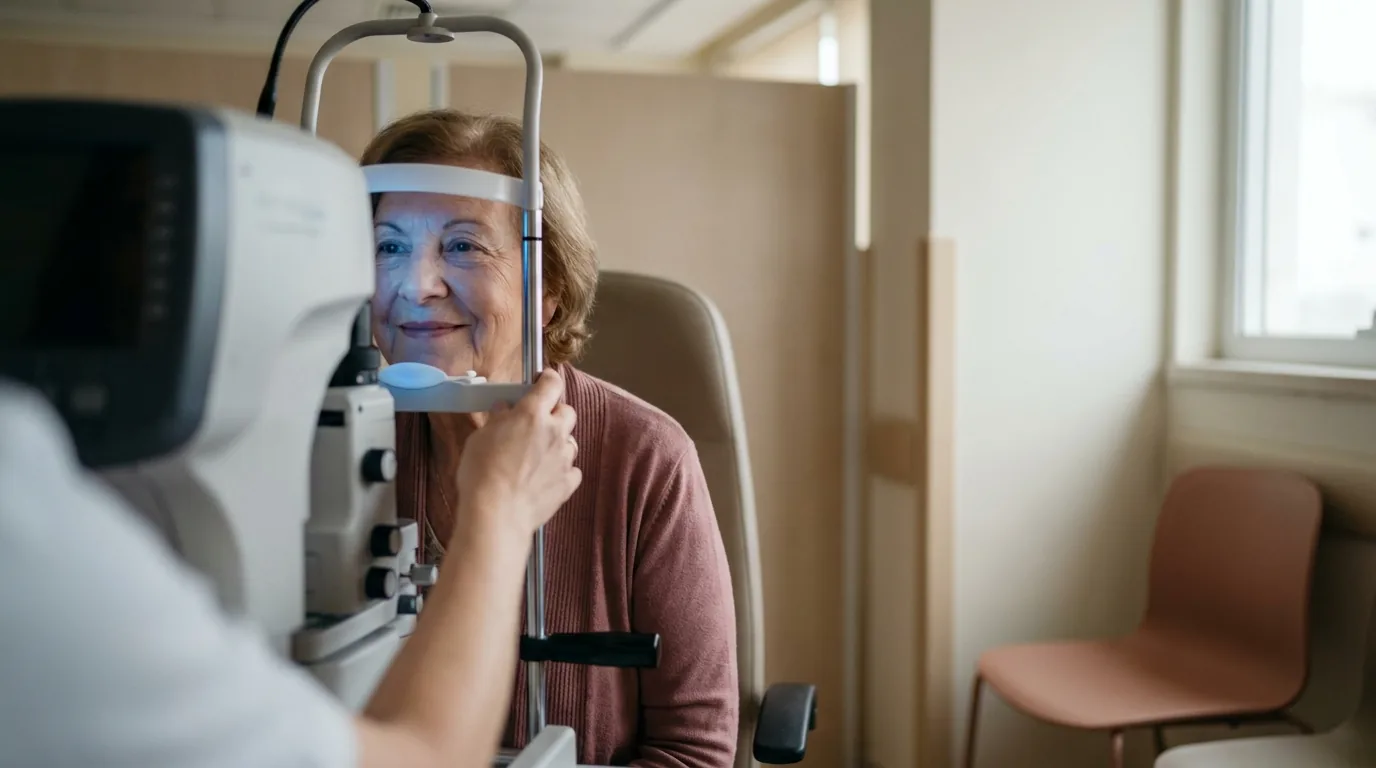
Laser treatments in ophthalmology utilize focused, high energy light beams to perform precise actions on eye tissues. This technology allows for targeted treatment without the need for invasive surgery, thereby reducing risks and recovery time. Different types of lasers vary in their wavelength and how they interact with eye tissues, enabling the treatment to be tailored to the specific condition and eye structure. These treatments are typically performed in an outpatient clinic, with the patient seated in front of a specialized instrument.
YAG Laser Capsulotomy (Posterior Capsule Opacification)
After cataract surgery, clouding may develop in the posterior capsule of the lens, causing blurred vision similar to the original cataract. This condition is known as posterior capsule opacification or secondary cataract. YAG laser capsulotomy uses a short, focused laser beam to create a small opening in the center of the cloudy capsule. This opening allows light to pass freely to the retina, thereby improving vision. The procedure is quick, usually painless, and performed in the clinic.
Laser Treatments for Glaucoma
Glaucoma is a disease that damages the optic nerve, often due to high intraocular pressure. Laser treatments can help lower intraocular pressure. Laser iridotomy (YAG Iridotomy) creates a small opening in the iris to improve fluid flow within the eye, primarily used for narrow angle glaucoma. Selective Laser Trabeculoplasty (SLT) uses a low energy laser to treat the trabecular meshwork, a structure responsible for draining fluid from the eye, thereby improving drainage and lowering pressure. These treatments do not cure glaucoma but can help manage it.
Laser for Retinal Diseases
Laser is used to treat various retinal conditions. Laser photocoagulation is employed to seal retinal tears, prevent retinal detachment, and treat abnormal blood vessels or edema caused by diseases like diabetic retinopathy. The laser creates small, controlled burns on the retina, which seal leaking blood vessels or stabilize weak areas. This treatment can prevent further vision deterioration but cannot restore lost vision.
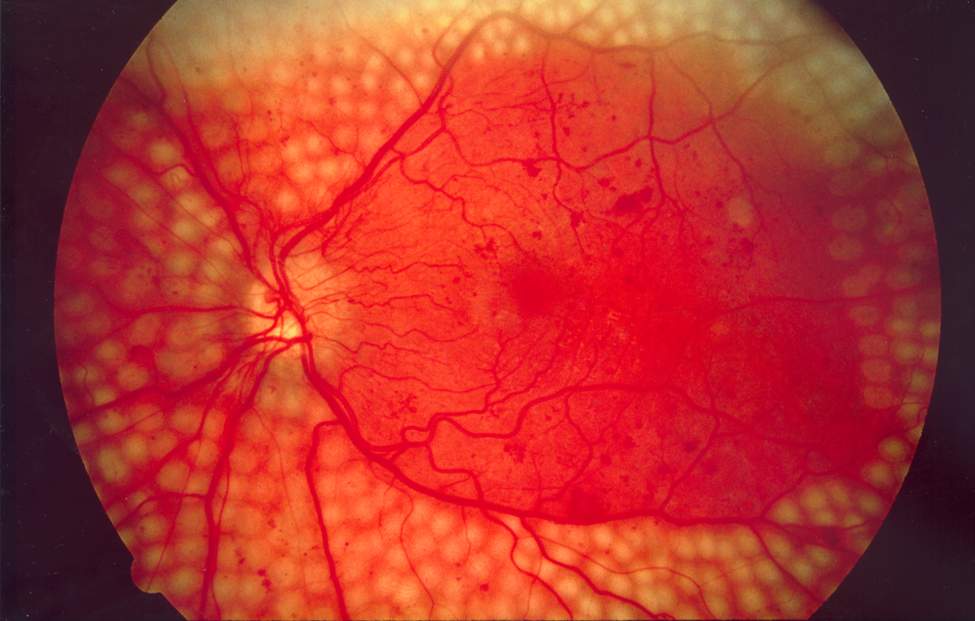
A retinal photograph showing scatter laser treatment marks in diabetic retinopathy, one particular type of retinal laser treatment.
Image: National Eye Institute, National Institutes of Health · Image source · Public domain US government work · Used without modification
Preparation for Laser Treatment
Before laser treatment, your eye doctor will conduct a comprehensive eye examination and explain the specific procedure, its benefits, and risks. Preparation depends on the laser procedure. Retinal laser and YAG capsulotomy may involve pupil dilation, while laser iridotomy usually involves drops that make the pupil smaller. Follow the treating team's specific instructions. Eye drops and the treatment itself may temporarily blur vision or cause light sensitivity. It is important to inform your doctor about any medications you are taking and any known allergies. On the day of the treatment, it is advisable to arrange for someone to drive you home, especially if pupil dilation is expected, as your vision may be blurred afterward.
During the Procedure and Recovery
Most laser treatments are performed in the clinic, with the patient seated in front of the laser machine. The eye will be numbed with eye drops, and often a special contact lens will be placed on the eye to focus the laser beam. The procedure itself is brief, usually lasting only a few minutes. You may feel a slight pressure sensation or see flashes of light. After the treatment, temporary blurred vision, light sensitivity, or mild discomfort may occur. Generally, you can return to normal activities shortly, but strenuous activity should be avoided on the day of the treatment.
Potential Risks and Complications
Laser treatments carry risks. The type and frequency of risks depend on the procedure and the condition of the eye. These risks can include a temporary increase in intraocular pressure, inflammation, minor bleeding, or in rarer cases, damage to the retina or lens. It is important to discuss the specific risks associated with your recommended treatment with your doctor. In most cases, the potential benefits of laser treatment outweigh the risks. Extensive retinal laser treatment called PRP, used to reduce the risk of vision loss in advanced diabetic retinopathy, can also reduce side vision, night vision or color vision. These risks are weighed against the expected benefit and do not describe every type of eye laser treatment.
Follow up and When to Seek Medical Attention
After laser treatment, your doctor will schedule a follow up examination to ensure the success of the treatment and rule out complications. It is important to adhere to your doctor's instructions regarding eye drops or activity restrictions. You should contact an eye doctor immediately if you experience symptoms such as severe eye pain, significant redness, sudden decrease in vision, new or increased flashes of light, or the appearance of a 'curtain' or 'shadow' in your field of vision. These symptoms may indicate a complication requiring immediate attention.
More information for you

Tom Liba, M.D.
Contact
For questions and further information, you can contact me by email.
tomliba1996@gmail.com