Understanding eye health
Eye pressure (intraocular pressure)

Written by Dr. Tom Liba
Eye pressure is the fluid pressure inside the eye. Learn what counts as normal, why high pressure matters for glaucoma, and how it is measured.
The key points
Briefly
Eye pressure is the fluid pressure inside the eye. Learn what counts as normal, why high pressure matters for glaucoma, and how it is measured.
In detail
What is intraocular pressure?
Intraocular pressure is the pressure created by the fluid inside the eye. The front of the eye constantly produces a clear fluid called aqueous humor, which nourishes the lens and cornea. A similar amount drains out through a tiny system in the angle between the iris and cornea. When production and drainage are balanced, pressure stays steady. When drainage is blocked or too slow, fluid builds up and pressure rises. High pressure over time can damage the optic nerve, which carries visual information to the brain, so measuring it is a routine part of a full eye exam.
What is normal eye pressure?
Eye pressure is measured in millimeters of mercury (mmHg). In most people it falls roughly between 10 and 21 mmHg, which is generally considered normal. The number alone does not tell the whole story. Pressure changes through the day and can differ slightly between eyes and between visits. Corneal thickness also affects the reading: a thick cornea can make pressure look higher than it really is, and a thin cornea can make it look lower. Doctors interpret it alongside corneal thickness and the optic nerve.
What does high eye pressure mean?
High eye pressure is not the same as glaucoma. When pressure is above normal but the optic nerve and visual field are healthy, the condition is called ocular hypertension. Many people with it never develop glaucoma, but their risk is higher, so they need follow up. On the other hand, some people develop glaucoma with pressure in the normal range, known as normal tension glaucoma. So normal pressure does not rule glaucoma out, and high pressure does not prove it. Other risk factors include older age, a family history of glaucoma, high nearsightedness, a thin cornea and long term steroid use.
Does high eye pressure cause symptoms?
Usually not. Pressure that rises gradually typically causes no pain, redness or change in vision, and people can live with it for years without knowing. Headaches or tired eyes are not reliable signs. Optic nerve damage also develops silently and affects side vision first, so it is often noticed only at a late stage. The exception is acute angle closure, in which pressure jumps suddenly and causes obvious symptoms, listed below.
How is eye pressure measured?
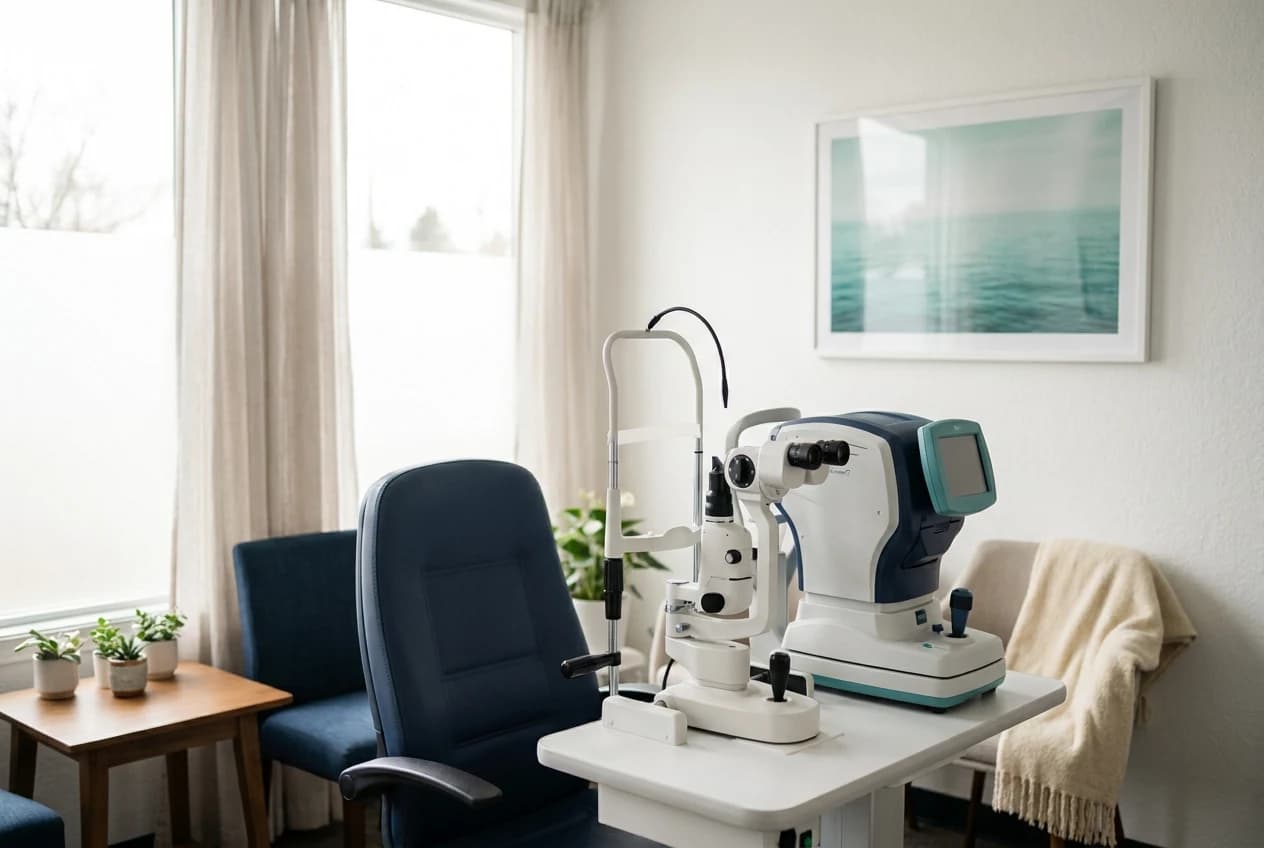
The measurement is called tonometry, and it is quick and painless. A common screening device sends a small puff of air at the eye; it can be startling but does not hurt. The method generally regarded as more accurate is done at the slit lamp: numbing drops and a yellow dye are placed in the eye, and a small probe gently touches the cornea to measure the force needed to flatten a tiny area. When glaucoma is suspected, doctors usually add corneal thickness measurement (pachymetry), OCT imaging of the optic nerve and a visual field test.
How is high eye pressure treated?
Whether to treat depends on the pressure level, the state of the optic nerve and other risk factors. If pressure is only slightly high and the nerve is healthy, regular monitoring may be enough. When treatment is needed, eye drops that reduce fluid production or improve drainage are usually the first step. Other options include laser treatments, such as laser to improve drainage or a small opening in the iris when the angle is narrow, and surgery when other treatments are not enough. Treatment lowers the risk of damage but does not remove it, so follow up continues even when pressure is controlled. Do not stop drops on your own, since pressure can rise again without any warning.
When to seek urgent care
Acute angle closure is an emergency. Go to an emergency department or an eye doctor right away if you have severe eye pain, a red eye, sudden blurred vision, colored halos around lights, a strong headache, nausea or vomiting. Prompt treatment can lower the pressure and protect the optic nerve. Beyond emergencies, the best way to catch high pressure early is a regular eye exam, especially from age 40 and for anyone with a close relative who has glaucoma.
More information for you

Eye conditions
Glaucoma: symptoms, diagnosis and treatment
Glaucoma damages the optic nerve.
Read more
Eye tests
Pachymetry: corneal thickness test
Pachymetry measures corneal thickness for glaucoma assessment, corneal disease and surgical planning.
Read more
Eye tests
Visual field test: how it works
A test that looks for missing areas in side or central vision.
Read more
Eye tests
OCT eye scan: what it is and what it shows
A non invasive light based scan of the retina, optic nerve or cornea.
Read more
Treatments and surgery
Laser iridotomy
Iridotomy is considered for selected narrow or closed drainage angles, not every glaucoma type.
Read more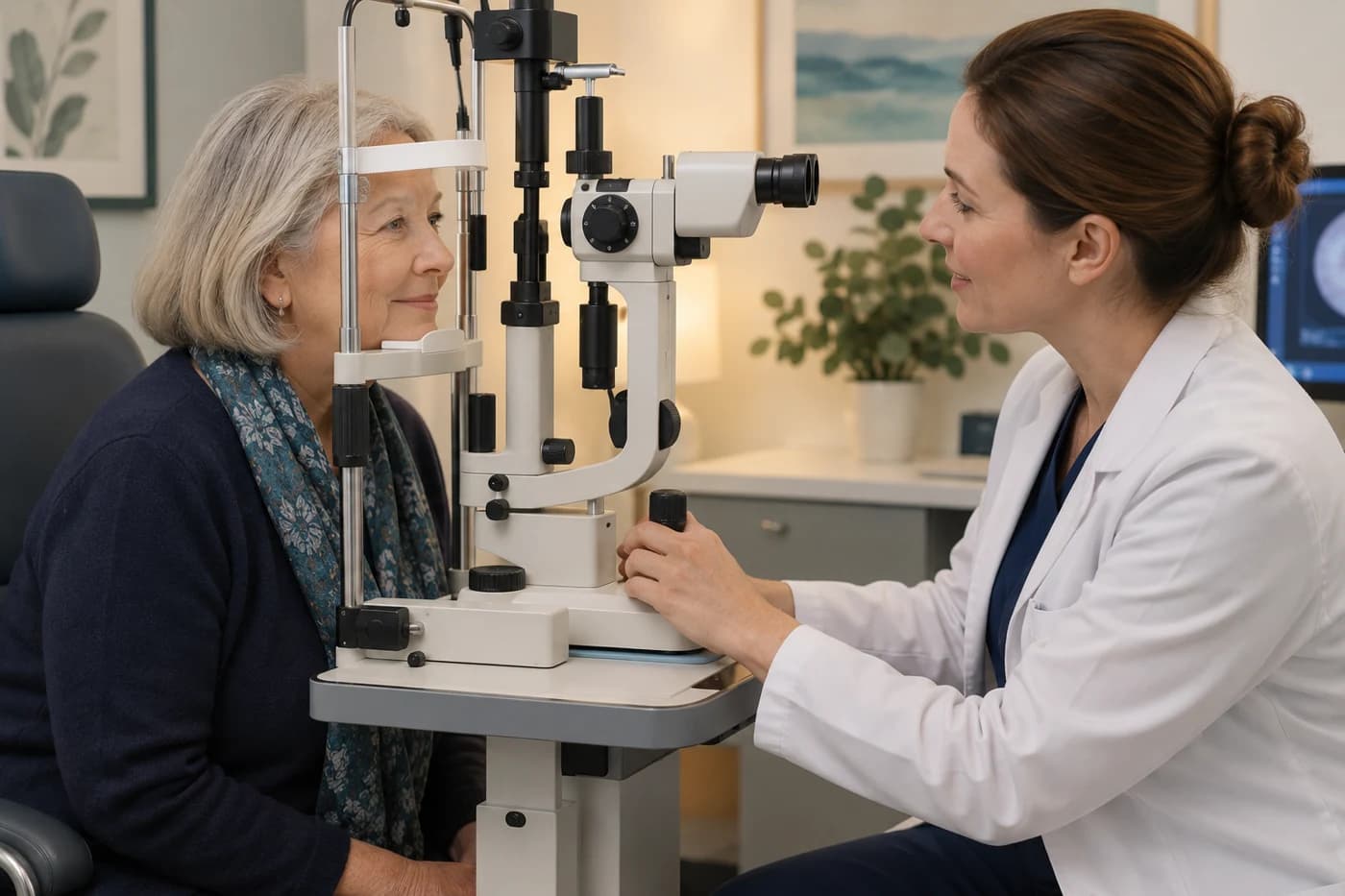
Treatments and surgery
Trabeculectomy glaucoma surgery
Trabeculectomy lowers pressure when glaucoma needs stronger control or other options are insufficient.
Read more
Treatments and surgery
GATT glaucoma surgery
GATT lowers pressure in selected glaucomas depending on angle anatomy and the pressure target.
Read moreTom Liba, M.D.
Contact
For questions and further information, you can contact me by email.
tomliba1996@gmail.com