Understanding eye health
Biometry eye test before cataract surgery

Written by Dr. Tom Liba
Biometry measures eye length and corneal curvature to calculate an implant for cataract surgery.

The key points
Briefly
Biometry measures eye length and corneal curvature.
This test is essential for calculating the power of the artificial lens in cataract surgery.
Preparation involves removing contact lenses and reporting prior laser eye surgeries.
In detail
What is Biometry and Why is it Needed?
Biometry is a diagnostic test that measures various parameters of the eye, such as the length of the eyeball, the curvature of the cornea, and the thickness of the natural lens. These measurements are particularly crucial in preparation for cataract surgery, where the cloudy natural lens is replaced with an artificial intraocular lens (IOL). The primary goal of biometry is to accurately calculate the optical power (diopter) of the artificial lens to be implanted, aiming for the best possible vision outcome after surgery.
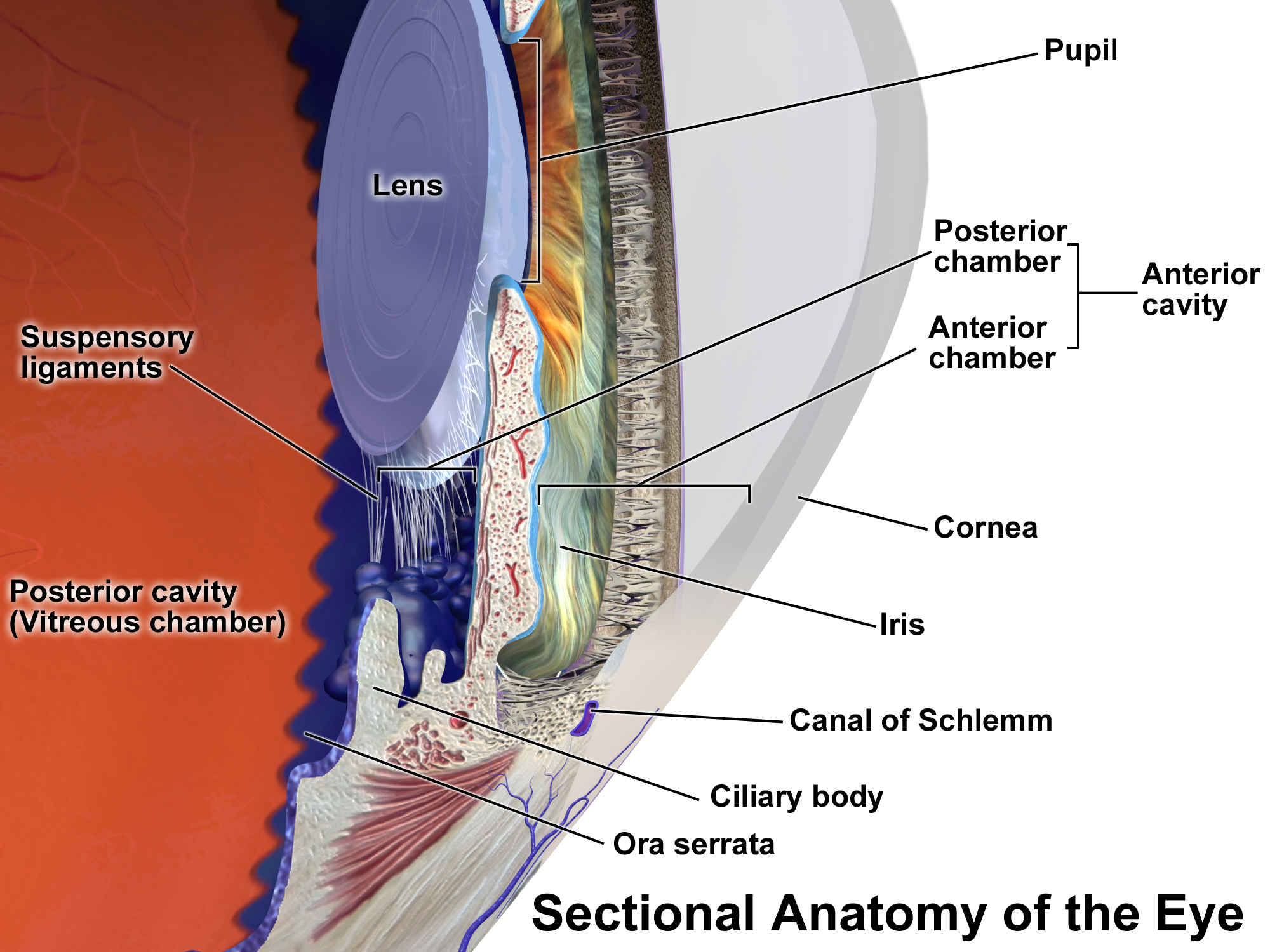
An illustration of the front of the eye, including the cornea and lens. Eye measurements help plan the artificial lens for cataract surgery.
Image: BruceBlaus; Blausen.com staff (2014), Medical gallery of Blausen Medical 2014, DOI 10.15347/wjm/2014.010 · Image source · CC BY 3.0 · Used without modification
How is the Test Performed?
The test is typically performed using an advanced optical device that scans the eye without direct contact. The patient is asked to rest their chin on a support and focus on a central point within the instrument, with each eye examined separately. In some cases, if optical measurement is not feasible or sufficient, an ultrasound device may be used. The test itself is brief, usually lasting about ten minutes.
Preparation and Important Considerations
To ensure the accuracy of the measurements, contact lenses need to be left out for the interval specified by the clinic. This depends on the lens type and the stability of the corneal shape, and may be longer for rigid lenses. Ask for instructions before the appointment rather than assuming a fixed interval. It is important to inform your doctor about any previous laser eye surgery for vision correction, as these procedures alter the corneal shape and affect lens calculations. Additionally, report any existing eye surface issues, such as dry eyes or inflammation, which could impact the quality of the measurement.
Pupil Dilation and Safety
Routine optical biometry can usually be performed without dilating the pupils. Dilating drops may still be used for other parts of the cataract assessment, such as examining the retina. If used, they can blur near vision and cause light sensitivity for several hours. Arrange transport and do not drive until your vision is safe.
Optical measurements are taken without contact with the eye. If ultrasound biometry is needed, the team explains the different technique and any numbing drops required. Preparation and the method used depend on the clinical findings.
Detecting Astigmatism
During biometry, astigmatism can also be detected. This is a common vision impairment usually caused by an asymmetrical shape of the cornea. Identifying astigmatism is important for selecting the artificial lens, as special premium lenses (toric IOLs) are available that can correct astigmatism. Choosing such a lens can significantly improve vision after surgery and reduce dependence on glasses.
Test Results and Surgical Planning
The biometry results are used by the surgeon to calculate the most suitable artificial lens power for you. It is important to remember that while the measurements are precise, they do not guarantee perfect vision without glasses. The final lens choice and optical target are determined in consultation with your surgeon, considering your overall eye health, existing eye conditions, lifestyle, and personal needs. Occasionally, additional measurements or a repeat test may be required.
Follow Up and When to Seek Care
After the test, the results will be provided to your treating physician for interpretation and surgical planning. If you experience blurred vision or glare due to pupil dilating drops, avoid driving and activities requiring sharp vision until the effects subside. For any questions or concerns regarding the test or its results, please contact your medical team.
More information for you

Eye conditions
Cataract: symptoms, causes and treatment
Cataract clouds the natural lens, most often with aging; injury, illness and medicines can contribute..
Read more
Treatments and surgery
Before cataract surgery: tests and prep
What cataract is, how surgery is considered and what preoperative testing checks.
Read more
Treatments and surgery
Cataract surgery: procedure and recovery
Surgery is considered when cataract affects function; other eye disease influences expected benefit.
Read moreTom Liba, M.D.
Contact
For questions and further information, you can contact me by email.
tomliba1996@gmail.com