Understanding eye health
IPL treatment for dry eyes

Written by Dr. Tom Liba
IPL uses light pulses for selected meibomian gland dysfunction and evaporative dry eye.
The key points
Briefly
IPL therapy uses light pulses to address meibomian gland dysfunction and evaporative dry eye.
The procedure involves eye protection and treating specific skin areas, sometimes combined with direct gland treatment.
Suitability depends on skin type and medical conditions, with potential risks including skin reactions and pigment changes.
In detail
What is Evaporative Dry Eye and Meibomian Gland Dysfunction?
Evaporative dry eye is a type of dry eye caused by instability of the oily tear film layer, which is produced by the meibomian glands located in the eyelids. The role of this layer is to prevent rapid evaporation of tears. When the meibomian glands do not function properly, a condition known as Meibomian Gland Dysfunction (MGD), they can become blocked or produce poor quality oil. As a result, the oily layer on the eye's surface is compromised, leading to increased tear evaporation and symptoms of dryness, burning, irritation, and blurred vision.
How Does IPL Therapy Work?
IPL uses high intensity pulses of light absorbed by selected structures in the skin. Several mechanisms have been proposed for its effects in meibomian gland dysfunction, including warming thickened gland secretions and reducing inflammation associated with small abnormal blood vessels around the eyelids. Effects on eyelid microbes and mites have also been studied. The exact contribution of each mechanism is still being investigated, and clinical response varies.
Who is a Candidate for IPL Therapy?
IPL therapy may be an option for some patients suffering from meibomian gland dysfunction and evaporative dry eye, especially when more conservative treatments, such as warm compresses and eyelid hygiene, have not yielded sufficient improvement. The treatment is not suitable for all types of dry eye, for example, dry eye caused by insufficient tear production. Suitability for treatment is determined by an ophthalmologist after a comprehensive examination of the eye condition, skin type, medical history, and medications the patient is taking. Certain medical conditions and skin types may not be suitable for this treatment.
Preparation for Treatment
Before treatment, it is important to avoid sun exposure and the use of tanning creams in the treated area. Inform your doctor about all medications you are taking, especially photosensitizing drugs (such as certain antibiotics or acne medications), as well as any existing skin conditions or medical conditions. If a medicine affects treatment safety, the clinician will decide whether IPL should be postponed or any change is needed. Do not stop a prescribed medicine on your own. You should arrive for treatment without makeup or creams on your face.
The Treatment Procedure
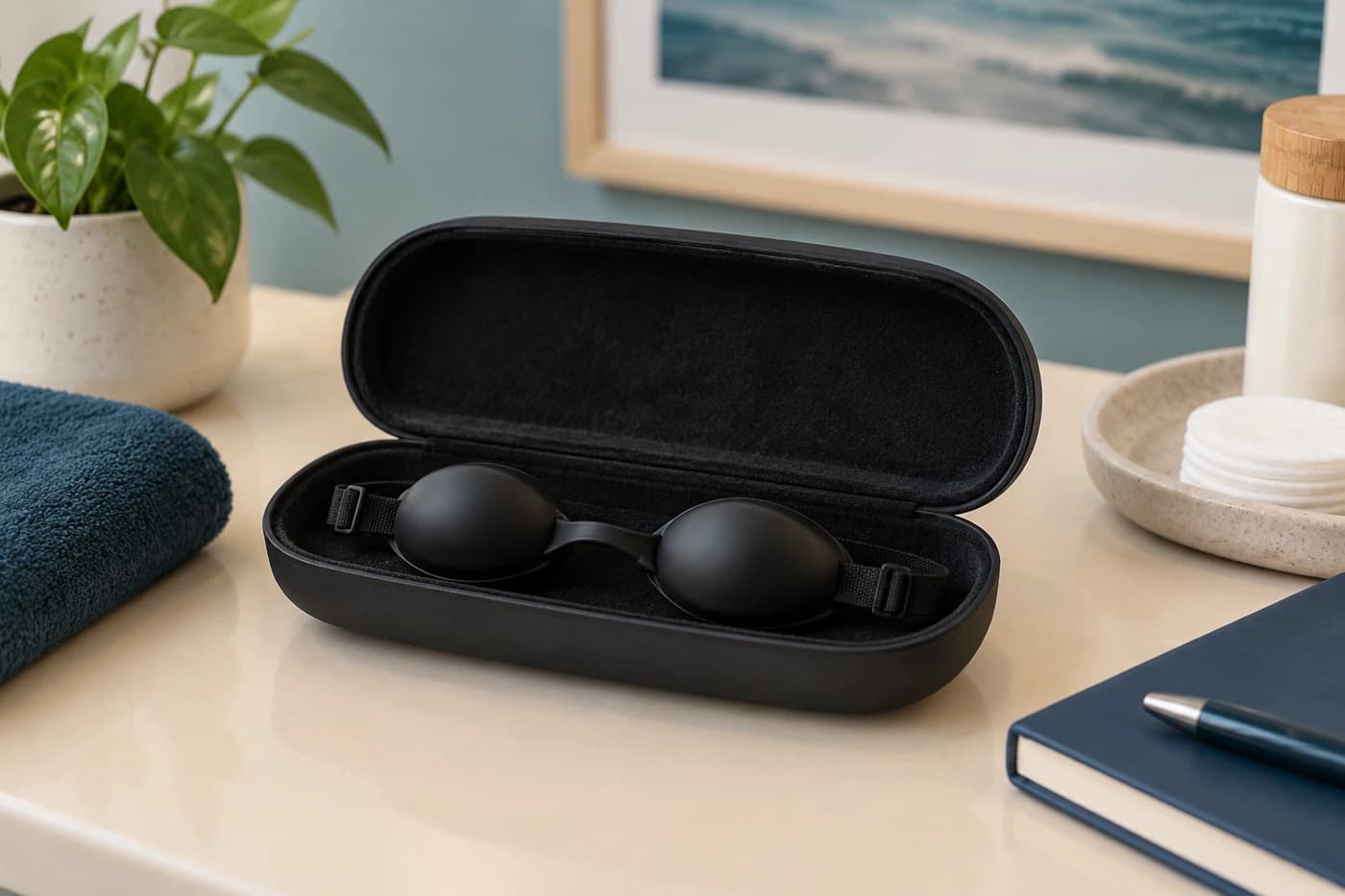
The treatment is performed in a clinic setting. First, your eyes are protected with special safety glasses or eye shields. Then, a cooling gel is applied to the skin areas designated for treatment, typically around the lower eyelids and upper cheeks. The specialized device delivers a series of short light pulses to the treated areas. Sometimes, the treatment may be combined with manual expression of the meibomian glands to help release blockages. The treatment usually lasts several minutes and is not associated with significant pain, although a mild sensation of warmth or tingling may be felt.
Potential Risks and Side Effects
As with any medical procedure, potential risks exist. Common side effects include mild redness, swelling, or a burning sensation in the treated area, which usually resolve within a few hours to days. More rare risks include skin burns, changes in pigmentation (lightening or darkening of the skin), blistering, or infection. Strict eye protection is essential to prevent eye damage. It is important to choose a skilled and experienced practitioner for this procedure.
Recovery and Follow Up
After treatment, you can usually return to normal activities almost immediately. It is recommended to avoid sun exposure and use sunscreen in the treated area for several weeks. Often, a series of treatments is required, typically 3 to 4 sessions spaced several weeks apart, followed by maintenance treatments as needed. The response to treatment varies among patients, and the treatment does not guarantee a complete cure for dry eye, but rather relief of symptoms and improvement in gland function. It is important to continue with the individualized care plan and follow up as advised by your doctor, including the use of eye drops and eyelid hygiene as part of managing dry eye.
Medical sources
More information for you

Tom Liba, M.D.
Contact
For questions and further information, you can contact me by email.
tomliba1996@gmail.com