Understanding eye health
Dry eyes: symptoms, causes and treatment

Written by Dr. Tom Liba
Common symptoms, risk factors and treatment approaches for dry eye.

The key points
Briefly
Dry eye syndrome results from insufficient tear production or poor tear quality, leading to symptoms like burning, redness, and foreign body sensation.
Risk factors include age, screen use, contact lenses, eye surgeries, and certain medical conditions.
Treatment involves lifestyle adjustments, artificial tears, eyelid hygiene, anti inflammatory drops, and tear conservation procedures.
In detail
What is Dry Eye Syndrome?
Dry eye syndrome is a common condition that occurs when the eyes do not produce enough tears, or when the tears produced are of poor quality. Tears are essential for maintaining eye health, washing away dirt and bacteria, preventing dryness and friction during blinking, and ensuring clear vision. When the tear film is compromised, the surface of the eye can be damaged, leading to discomfort and various symptoms.
The Role of Tears
The tear film covers the front surface of the eye with every blink, keeping it smooth, clear, and clean. This film consists of three main layers: the inner mucin layer, which connects tears to the eye's surface; the middle aqueous layer, produced by the lacrimal gland and responsible for washing the eye; and the outer lipid layer, produced by the meibomian glands in the eyelids, which prevents rapid tear evaporation and maintains corneal moisture.
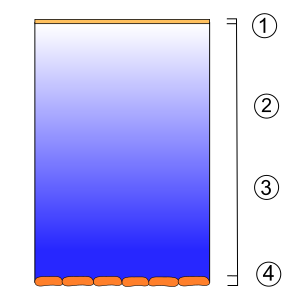
A simplified tear film illustration: a surface lipid component, aqueous and mucin components, and the eye surface cells below. The separation is schematic; aqueous and mucin components blend together.
1: lipid component · 2 and 3: aqueous and mucin components · 4: eye surface cells
Image: Vinne2 · Image source · CC BY SA 4.0 · Used without modification
Symptoms and Risks
Symptoms of dry eye include burning, stinging, itching, a gritty or foreign body sensation, redness, mucous discharge, light sensitivity, blurred vision that fluctuates with blinking, eye fatigue, headaches, and even paradoxical excessive tearing. Without proper treatment, dry eye can lead to damage to the eye's surface, an increased risk of eye infections, corneal clouding, and impaired vision. It can also affect the success of various eye surgeries.
Risk Factors
Many risk factors are associated with dry eye syndrome. These include older age (over 50), chronic eyelid inflammation (blepharitis), systemic and autoimmune diseases such as Sjogren's syndrome, arthritis, thyroid diseases, and diabetes. Certain medications, such as blood pressure drugs, antihistamines, sleeping pills, and antidepressants, can also contribute to dryness. Previous eye surgeries, prolonged contact lens use, and modern lifestyle factors like extended screen time and air conditioned environments also increase the risk.
Diagnosis and Treatment Approaches
Diagnosis of dry eye syndrome is made by an ophthalmologist through a comprehensive examination. Treatment is personalized and focuses on alleviating symptoms and improving tear quality. It may involve lifestyle changes, such as reducing screen time and using a humidifier. Preservative free artificial tears are a first line treatment. Eyelid hygiene, including warm compresses and eyelid cleaning, is particularly important in cases of eyelid inflammation.
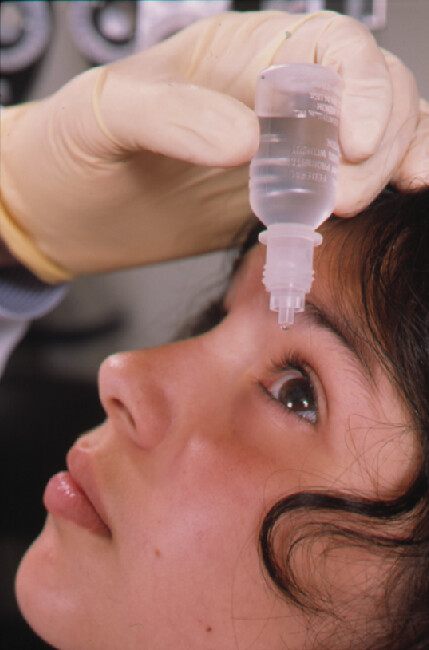
Instilling a drop into the eye. Lubricating drops are one option for dry eye according to the treating team’s advice. Keep the bottle tip away from the eye and eyelashes.
Image: National Eye Institute, NIH · Image source · CC BY 2.0 · Used without modification
Advanced Treatments
In some cases, the ophthalmologist may recommend anti inflammatory eye drops. Additional treatments include blocking the tear ducts with tiny silicone plugs (Punctal Plugs), which prevent rapid tear drainage and keep tears on the eye's surface. Intense Pulsed Light (IPL) therapy may improve the function of the meibomian glands in the eyelids and reduce chronic inflammation, thereby enhancing the quality of the lipid layer in tears.
Follow Up and When to Seek Care
Regular follow up with an ophthalmologist is important to assess treatment effectiveness and adjust it as needed. You should contact your eye doctor if symptoms worsen, if you experience severe pain, sudden vision loss, or severe and persistent redness. Early diagnosis and treatment can prevent complications and significantly improve quality of life.
Tom Liba, M.D.
Contact
For questions and further information, you can contact me by email.
tomliba1996@gmail.com