Understanding eye health
Ocular myasthenia gravis

Written by Dr. Tom Liba
Myasthenia disrupts nerve to muscle signaling and may cause ptosis and double vision.

The key points
Briefly
Myasthenia gravis is an autoimmune disease affecting nerve to muscle communication.
It can cause muscle weakness, including droopy eyelids and double vision.
Breathing or swallowing difficulties are a medical emergency requiring immediate attention.
In detail
What is Myasthenia Gravis?
Myasthenia gravis is an autoimmune disease where the body's immune system mistakenly attacks vital components involved in nerve to muscle communication. Normally, nerves release a chemical called acetylcholine, which binds to receptors on muscle cells, signaling them to contract. In myasthenia gravis, antibodies block or destroy these receptors, preventing muscles from receiving the necessary signals. This leads to muscle weakness and easy fatigability.
Ocular Myasthenia Gravis
When the disease primarily affects the eye muscles, it is termed ocular myasthenia gravis. The main symptoms include drooping eyelids (ptosis) and double vision (diplopia). Muscle weakness can fluctuate throughout the day, often worsening with fatigue or in the evening, and improving after rest. The double vision frequently resolves when one eye is covered, though this sign is not exclusive to myasthenia.
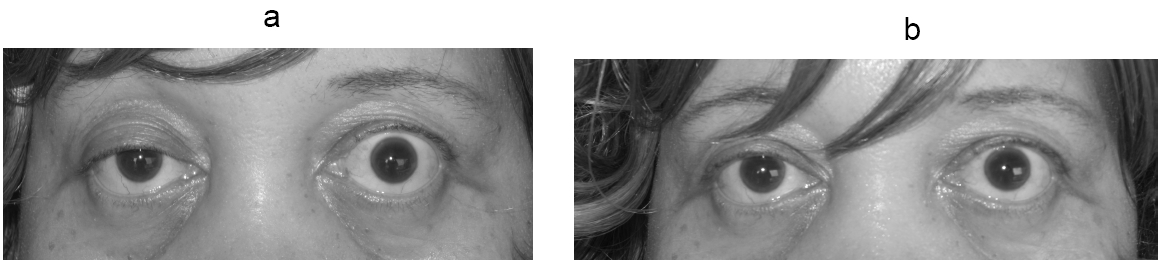
A photograph from a 2008 case report showing eyelid drooping and the change observed after a historical Tensilon diagnostic test. It illustrates variation in eyelid drooping and is not a current testing or treatment recommendation.
Image: Mohankumar Kurukumbi; Roger L. Weir; Janaki Kalyanam; Mansoor Nasim; Annapurni Jayam Trouth · Image source · CC BY 2.0 · Used without modification
Other Symptoms and Complications
In some cases, myasthenia gravis can affect other muscles in the body. Potential symptoms include difficulty swallowing, chewing, or speaking, and weakness in the limbs, such as difficulty climbing stairs or rising from a chair. The most serious complication is a myasthenic crisis, a medical emergency where the breathing muscles become severely weakened, requiring immediate medical attention.
Diagnosis
Diagnosis relies on a comprehensive clinical examination, including assessment of eye movements, muscle strength, and response to rest. Blood tests can identify specific antibodies to acetylcholine receptors or other related proteins, though their absence does not rule out the diagnosis, especially in ocular myasthenia. Further tests may include repetitive nerve stimulation electromyography (EMG), which evaluates muscle response to electrical stimulation, and chest imaging to check for a thymoma.
Treatment
Treatment for myasthenia gravis is individualized and managed by a neurologist. It may involve medications that inhibit the breakdown of acetylcholine, such as pyridostigmine, which improves nerve to muscle signaling. In some cases, medications that suppress the immune system, like corticosteroids or other immunosuppressants, are necessary to reduce antibody production. Surgical removal of the thymus gland (thymectomy) may be recommended in certain situations, particularly if a thymoma is present.
Daily Management and Exacerbating Factors
Myasthenia gravis is a chronic condition, and its symptoms can vary over time. Certain factors can exacerbate symptoms, including stress, fatigue, febrile illnesses, surgery, and specific medications. It is crucial to inform all healthcare providers about the condition before receiving any new treatments or medications. Pregnant individuals with myasthenia gravis require close monitoring, as antibodies can cross the placenta and cause temporary symptoms in the newborn.
Follow Up and When to Seek Care
Regular medical follow up with a neurologist is essential for managing the disease and adjusting treatment. Any changes in symptoms or medication side effects should be reported to your doctor. In cases of difficulty breathing, severe swallowing problems, or sudden and significant muscle weakness, seek immediate emergency medical attention. These could be signs of a myasthenic crisis requiring urgent intervention.
More information for you

Eye conditions
Droopy eyelid (ptosis): causes and care
Ptosis is a low upper eyelid, caused by congenital or acquired changes in lifting muscles or nerves.
Read more
Ophthalmology topics
Neuro ophthalmology: vision and the brain
Vision problems related to the optic nerve, eye movements and the brain.
Read moreTom Liba, M.D.
Contact
For questions and further information, you can contact me by email.
tomliba1996@gmail.com